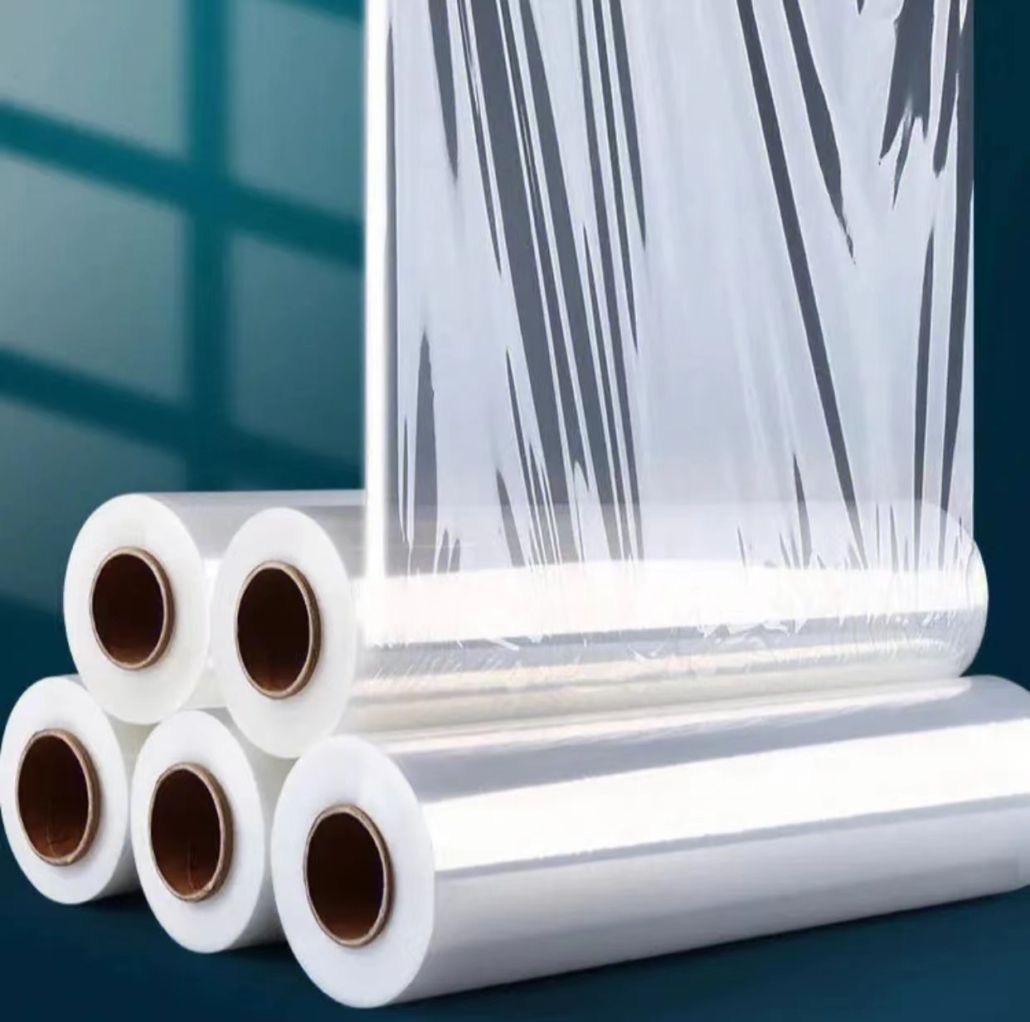
What Is Stretch Film?
Stretch film, also known as stretch wrap, is a highly stretchable plastic film primarily used to wrap and secure products on pallets. The film tightly holds multiple items together, creating a stable load that is easier and safer to handle.
The elasticity of stretch film allows it to stretch around products while maintaining tension. Once applied correctly, the film creates a strong holding force that helps prevent products from shifting during transportation or storage.
Stretch film is commonly manufactured using high-quality polyethylene materials and is available in different thicknesses, widths, lengths, and types to meet various industrial packaging requirements.
Why Is Stretch Film Important for Pallet Wrapping?
Proper pallet wrapping plays an important role in protecting goods throughout the logistics process. A well-wrapped pallet can reduce the risk of product damage, load movement, and packaging failure. Some important benefits of using stretch film include:
- Improved Pallet Load Stability: Keeps products tightly held together during handling and transit.
- Protection Against Dust and Dirt: Shields goods from environmental contamination.
- Reduced Risk of Product Shifting: Maintains a secure, stable load throughout transport.
- Better Protection During Transportation: Withstands handling stress across the supply chain.
- Easier Handling and Storage: Creates uniform, manageable pallet loads.
- Improved Packaging Efficiency: Speeds up wrapping while reducing material use.
- Reduced Need for Additional Packaging Materials: Cuts down on extra packaging costs.
- Better Product Organization in Warehouses: Simplifies inventory handling and storage.
Using the right stretch film can also help businesses reduce packaging waste and improve operational efficiency.
Types of Stretch Film Used for Pallet Wrapping
Different types of stretch films are available depending on the packaging requirement. Understanding these options can help businesses choose the most suitable solution.
- Hand Stretch Film: Designed for manual pallet wrapping, it is commonly used in warehouses and small to medium-sized businesses where the number of pallets wrapped daily is relatively low. This type of film is easy to apply and does not require automatic wrapping equipment, and is available in different thicknesses and widths depending on the load requirements.
- Machine Stretch Film: Designed for use with automatic or semi-automatic pallet wrapping machines, it is suitable for high-volume packaging operations. Machine-grade stretch film provides consistent wrapping and can help improve productivity in large warehouses and manufacturing facilities.
- Pre-Stretched Film: Stretched during the manufacturing process before being supplied to the customer, it requires less effort during application and can provide consistent tension around the pallet. This option can be useful for improving wrapping speed and reducing material usage in certain applications.
- Colored Stretch Film: Often used for product identification, inventory management, and load classification, different colors can help warehouses quickly identify specific products, shipments, or departments.
Factors to Consider When Choosing Stretch Film for Pallet Wrapping
Selecting the right stretch film requires more than simply choosing the thickest film available. The ideal film should match the specific requirements of the load and transportation process.
- Weight of the Pallet: The weight of the pallet is one of the most important factors when choosing stretch film. Heavy loads generally require stronger film with greater puncture resistance and holding force. For lightweight pallets, a thinner film may provide sufficient protection, while heavy or dense loads may need a thicker and stronger film to prevent shifting.
- Shape of the Load: Uniform pallets are easier to wrap than irregularly shaped loads. Products with sharp corners, uneven surfaces, or protruding edges may require stretch film with higher puncture resistance. Choosing a strong film helps prevent tearing and ensures that the entire pallet remains securely wrapped.
- Film Thickness: Stretch film thickness affects strength and durability, but thicker film is not always the best option. Modern high-performance stretch films can provide excellent load stability while using less material, so thickness should be chosen based on load requirements rather than automatically selecting the thickest option, helping reduce packaging costs.
- Stretchability and Holding Force: A good stretch film should offer excellent stretchability while maintaining strong holding force. The film must stretch around the pallet without breaking and should return enough tension to keep the load securely compressed. High holding force is especially important for pallets that will travel long distances or experience frequent handling.
- Film Width: Stretch films are available in different widths, and the appropriate width depends on the size of the pallet and the wrapping method. A wider film may cover more surface area and reduce wrapping time, while still being easy to handle and apply correctly.
- Transportation and Storage Conditions: Environmental conditions can affect packaging performance. Pallets exposed to long transportation routes, humidity, dust, or changing temperatures may require stronger and more durable stretch film. For example, a pallet transported internationally may require a different level of protection compared to a pallet moved within a local warehouse.
How the Right Stretch Film Improves Packaging Efficiency
Choosing the right stretch film can help businesses improve both product protection and operational efficiency. A properly selected film can reduce:
- Film Breakage During Wrapping: Fewer interruptions and material losses during the wrapping process.
- Product Movement During Transportation: More stable, secure loads throughout the supply chain.
- Packaging Material Waste: Better material efficiency with the correct film specification.
- Time Required for Pallet Wrapping: Faster, more consistent wrapping operations.
- Product Damage and Return Costs: Fewer damaged shipments and returns.
It can also improve consistency across packaging operations. This is particularly important for businesses handling large quantities of products every day. Using high-quality stretch film allows companies to create stable, secure, and professional-looking pallet loads.
Why Choose RG Poly for Stretch Film Solutions?
RG Poly provides packaging solutions designed to meet the requirements of modern industries and supply chains. Quality stretch film can play an important role in ensuring that palletized goods remain secure during handling, storage, and transportation.
The right packaging solution should be selected based on load weight, product shape, wrapping method, and transportation requirements. Businesses should focus on finding a film that delivers the right combination of strength, stretchability, puncture resistance, and holding force.
By choosing suitable stretch film for pallet wrapping, companies can improve load stability, reduce product damage, and make their packaging operations more efficient.
Stretch film is an essential packaging material for securing palletized products. However, choosing the right film requires careful consideration of several factors, including pallet weight, load shape, film thickness, stretchability, holding force, and transportation conditions. Whether you require hand stretch film, machine stretch film, pre-stretched film, or another specialized solution, selecting the right product can make a significant difference in packaging performance. A high-quality stretch film helps keep products secure, improves warehouse efficiency, and provides better protection throughout transportation. By understanding your specific packaging requirements, you can choose a stretch film solution that offers reliable performance while supporting efficient and cost-effective pallet wrapping.